
Overview
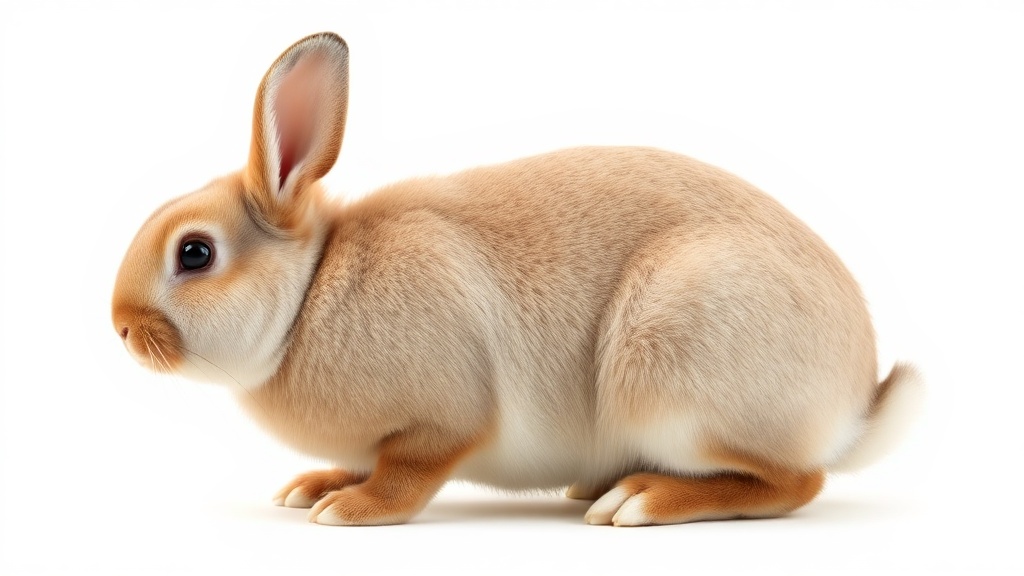
The Rex Rabbit stands out among rabbit breeds for its distinctive, plush coat that feels remarkably similar to velvet. This medium-sized breed has captured the hearts of rabbit enthusiasts worldwide with its unique fur texture, calm demeanor, and striking appearance. Originally developed in France during the early 20th century, the Rex Rabbit has become one of the most recognizable and sought-after breeds in both show rings and family homes.
What sets the Rex Rabbit apart is its genetic mutation that affects hair growth, resulting in guard hairs that are the same length as the undercoat. This creates the breed's signature velvety texture that is both visually stunning and incredibly soft to touch. Beyond their remarkable coat, Rex Rabbits are known for their gentle nature, making them excellent companions for families and first-time rabbit owners.
History & Origin
The Rex Rabbit's story begins in 1919 in the Louché-Pringé region of France, where a farmer named Désiré Caillon discovered an unusual rabbit with a distinctly different coat texture among his normal-furred rabbits. This rabbit possessed a genetic mutation that would eventually define an entire breed. Recognizing the uniqueness of this discovery, Caillon began selectively breeding these rabbits to establish the trait.
The breed was first exhibited at the Paris International Rabbit Show in 1924, where it caused quite a sensation among breeders and judges. The unique coat texture was unlike anything previously seen in the rabbit world. The name "Rex," meaning "king" in Latin, was chosen to reflect the royal quality of the rabbit's luxurious fur.
From France, the Rex Rabbit quickly spread to other European countries and eventually made its way to North America in the 1920s. American breeders embraced the breed enthusiastically, working to refine and standardize its characteristics. Today, the Rex Rabbit is recognized by major rabbit organizations worldwide and remains one of the most popular breeds for both exhibition and companionship.
Physical Characteristics
The Rex Rabbit's most defining feature is undoubtedly its coat. The fur stands upright and has a dense, plush texture that feels remarkably like velvet or silk. This unique texture results from a genetic mutation that causes the guard hairs to be the same length as the undercoat, typically measuring about 1.25 cm in length. The coat should feel springy to the touch and return to its upright position when stroked backward.
Rex Rabbits are medium-sized with a well-rounded, compact body type. They typically weigh between 3.2 to 4.8 kilograms, with does (females) generally being slightly larger than bucks (males). Their body should appear well-balanced with good muscle tone and a slightly arched back that rises from the shoulders to the hips before rounding over the hindquarters.
The breed comes in a wide variety of colors and patterns, with over 16 recognized varieties including Castor (the original color), Black, Blue, Broken, Californian, Chinchilla, Chocolate, Lilac, Lynx, Opal, Red, Sable, Seal, Tortoise, and White. Each color variety maintains the same distinctive coat texture that defines the breed.
Rex Rabbits have proportionate heads with upright ears that are well-furred and rounded at the tips. Their eyes are bright and alert, with color corresponding to their coat variety. The legs are strong and straight, supporting their compact frame effectively.
Temperament & Personality
Rex Rabbits are renowned for their calm, gentle temperament, making them excellent pets for families with children and first-time rabbit owners. They tend to be more docile than many other rabbit breeds, often enjoying human interaction and handling when properly socialized from a young age.
These rabbits are generally friendly and can form strong bonds with their human caregivers. They often enjoy being petted and may seek out attention from their owners. Many Rex Rabbits display curious and intelligent behavior, showing interest in their environment and responding well to routine.
While individual personalities can vary, most Rex Rabbits are less prone to aggressive behaviors compared to some other breeds. They typically adapt well to indoor living and can coexist peacefully with other rabbits when properly introduced. Their calm nature makes them suitable for apartment living, provided they receive adequate exercise and mental stimulation.
Rex Rabbits can be quite social and may enjoy the company of other rabbits, though proper introduction procedures should always be followed. They often do well in pairs or small groups when space permits and all animals are spayed or neutered.
Care Requirements
Housing and Environment
Rex Rabbits require spacious housing that allows them to move freely, stretch, and exhibit natural behaviors. Indoor housing is recommended, with a minimum enclosure size of 120cm x 60cm x 60cm for a single rabbit, though larger is always better. The enclosure should include areas for eating, sleeping, and using the litter box.
Temperature control is important for Rex Rabbits, as their unique coat can make them more sensitive to extreme temperatures. They do best in environments between 15-20°C and should be protected from drafts, direct sunlight, and humidity.
Exercise and Enrichment
Daily exercise outside the enclosure is essential for Rex Rabbits' physical and mental health. They should have access to a safe, rabbit-proofed area for at least 3-4 hours daily. This exercise time allows them to hop, run, and explore, which is crucial for maintaining healthy weight and muscle tone.
Mental stimulation is equally important. Provide toys, tunnels, platforms, and hiding spots to keep Rex Rabbits engaged. Rotating toys regularly helps maintain their interest and prevents boredom.
Grooming
Despite their luxurious coat, Rex Rabbits require minimal grooming compared to long-haired breeds. Their short, dense fur rarely mats, but regular brushing once or twice weekly helps remove loose fur and maintains coat health. During molting periods, which occur several times per year, more frequent brushing may be necessary.
Special care should be taken when grooming Rex Rabbits, as their delicate coat can be damaged by rough handling or inappropriate grooming tools. Use soft-bristled brushes and gentle strokes to avoid damaging the unique fur texture.
Health & Common Issues
Rex Rabbits are generally healthy when provided with proper care, but like all breeds, they can be susceptible to certain health conditions. Their average lifespan ranges from 5 to 8 years, though some individuals may live longer with excellent care.
Common health concerns include dental problems, as rabbit teeth grow continuously throughout their lives. Providing appropriate hay and chew toys helps maintain dental health. Gastrointestinal stasis, a serious condition where the digestive system slows or stops, can affect any rabbit breed and requires immediate veterinary attention.
Rex Rabbits may be more prone to skin issues due to their unique coat structure. Their delicate fur can be damaged by rough surfaces or inappropriate bedding materials. Sore hocks can develop if rabbits are housed on wire flooring without adequate padding.
Regular veterinary checkups are essential for maintaining Rex Rabbit health. Spaying or neutering is recommended for pet rabbits to prevent reproductive cancers and behavioral issues. Vaccinations may be recommended depending on local disease prevalence and veterinary guidance.
Training Tips
Rex Rabbits are intelligent animals that can be trained to use litter boxes, respond to their names, and even perform simple tricks. Litter training is usually straightforward, as rabbits naturally prefer to eliminate in one area.
Positive reinforcement training works best with Rex Rabbits. Use small, healthy treats and gentle praise to reward desired behaviors. Consistency and patience are key to successful training outcomes.
Basic handling training is important for Rex Rabbits, especially given their delicate coat. Gradually accustom them to being picked up and examined, which will make veterinary visits and grooming sessions much easier.
Is This Breed Right For You?
Rex Rabbits make excellent pets for many households, particularly those seeking a calm, gentle companion with unique physical characteristics. They are well-suited for families with children who can learn to handle them gently, first-time rabbit owners, and those living in apartments or smaller spaces.
Consider a Rex Rabbit if you appreciate their distinctive coat texture, prefer a more docile temperament, and can provide appropriate indoor housing and daily exercise. They require less grooming than long-haired breeds but need the same level of commitment in terms of daily care, social interaction, and veterinary attention.
Rex Rabbits may not be ideal for those seeking a highly active or playful pet, as they tend to be more sedate than some other breeds. Additionally, their delicate coat requires careful handling and appropriate housing materials to prevent damage.