
Overview
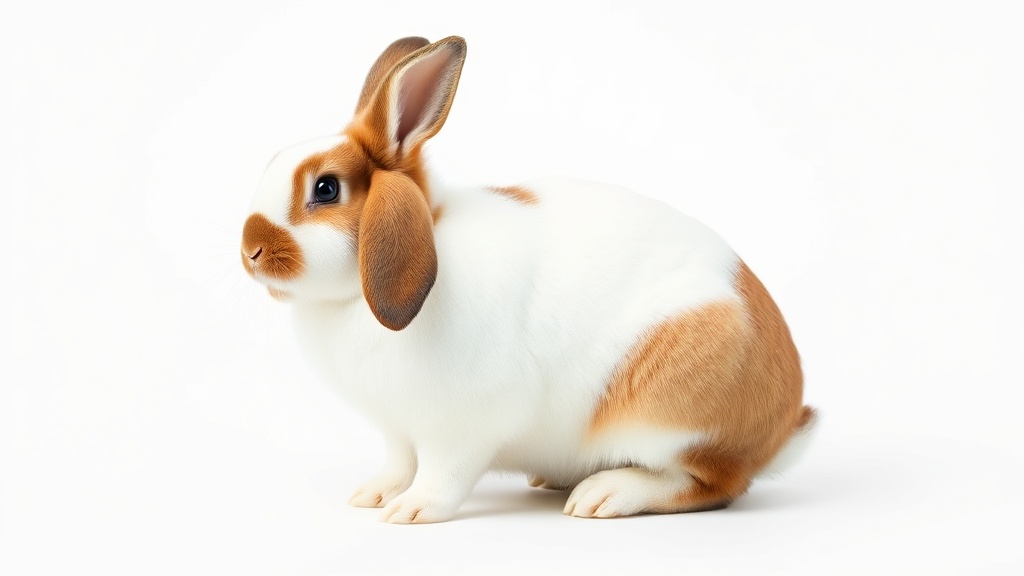
The English Lop, often called the "King of the Fancy," is one of the oldest domesticated rabbit breeds. Known for its distinctive long ears and friendly demeanor, this breed makes a wonderful companion for rabbit enthusiasts.
History & Origin
Originating in England, the English Lop dates back to the 19th century and is considered one of the first breeds of fancy rabbits. It was initially bred for show and quickly gained popularity due to its unique appearance.
Physical Characteristics
The English Lop is a large rabbit with a distinctive appearance. Their ears can measure over 24 inches from tip to tip, giving them a unique and endearing look. They typically weigh between 4.5 and 6.8 kg and have a muscular yet slender body.
Temperament & Personality
English Lops are known for their gentle and friendly nature. They enjoy social interaction and are often described as calm and affectionate. Their social nature makes them excellent pets for families and individuals who can provide ample attention.
Care Requirements
Grooming
English Lops require regular grooming to maintain their coat and ear health. Their ears should be checked frequently to prevent infections.
Exercise
Despite their large size, they require moderate exercise. Providing a safe area for them to explore and play is essential.
Diet
A balanced diet consisting of high-quality hay, fresh vegetables, and a limited amount of pellets is recommended. Fresh water should always be available.
Training
Training should be gentle and consistent. Positive reinforcement can be very effective with this breed.
Health & Common Issues
English Lops are prone to ear infections due to their large, floppy ears. Regular ear checks and vet visits are crucial to maintaining their health. They may also face dental issues, so regular check-ups are important.
Training Tips
Patience and consistency are key when training an English Lop. Utilize positive reinforcement techniques to encourage desired behaviors.
Is This Breed Right For You?
The English Lop is ideal for those who can provide time, attention, and care. They thrive in environments where they receive plenty of social interaction.