
Overview
The Flemish Giant is a breed of domestic rabbit known for its large size and gentle temperament. Often referred to as the 'Gentle Giant' of the rabbit world, this breed is loved by many for its friendly and docile nature.
History & Origin
Originating in Belgium, the Flemish Giant has a rich history dating back to the 16th century. Initially bred for meat and fur, they quickly became popular as pets due to their calm demeanor.
Physical Characteristics
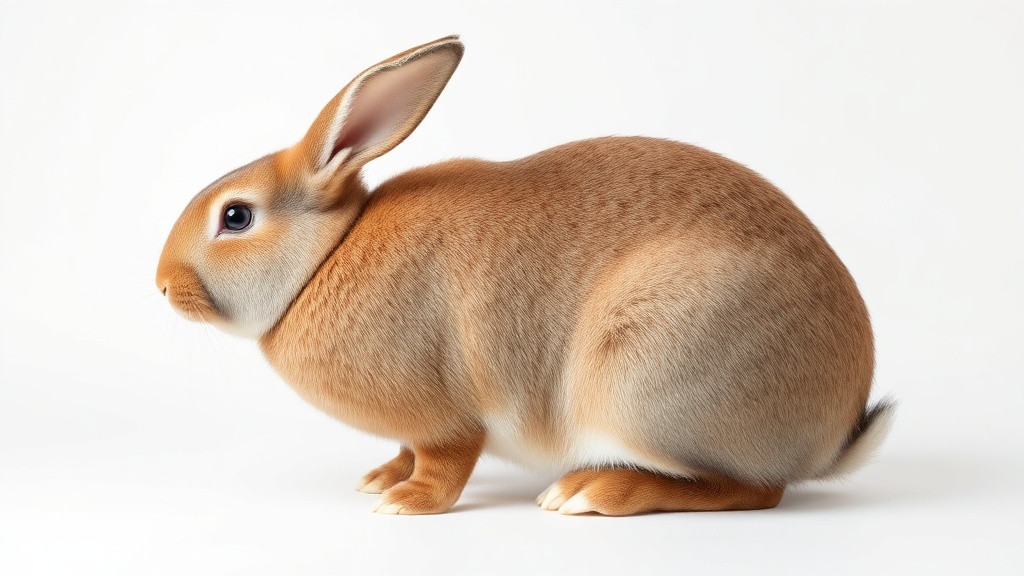
Flemish Giants are truly impressive in size, with adults weighing between 6.8 and 10 kg. They have a long, powerful body, upright ears, and a dense, glossy coat that comes in various colors including sandy, fawn, and white.
Temperament & Personality
Known for their docile and friendly nature, Flemish Giants are considered highly social animals. They enjoy human interaction and can be quite affectionate, making them excellent companions.
Care Requirements
Grooming
Regular grooming is essential to keep their coat in good condition. Weekly brushing is recommended, with more frequent grooming during shedding seasons.
Exercise
Like all rabbits, Flemish Giants require ample exercise. A spacious environment or daily playtime outside their enclosure is necessary to maintain their health.
Diet
A balanced diet consisting of hay, fresh vegetables, and a limited amount of pellets is crucial. Fresh water should always be available.
Training
Flemish Giants are intelligent and can be trained to use a litter box. Positive reinforcement methods work best.
Health & Common Issues
Common health concerns include:
- Obesity
- Dental problems
- GI stasis
Training Tips
Use gentle, positive reinforcement techniques. Start training early to establish good habits and socialization.
Is This Breed Right For You?
The Flemish Giant is well-suited for families looking for a gentle, interactive pet. They thrive in environments where they receive plenty of social interaction and have space to move around.
FAQ
- Are Flemish Giants good with children?
Yes, their gentle and friendly nature makes them excellent companions for children.
- Do they get along with other pets?
They generally do well with other animals, especially if introduced at a young age.
- Are they suitable for apartments?
While they can adapt, ample space is necessary due to their size.
- How much do they shed?
They have moderate shedding, requiring regular grooming.
- What is their energy level?
Moderate; they enjoy playtime and interaction.