
Overview
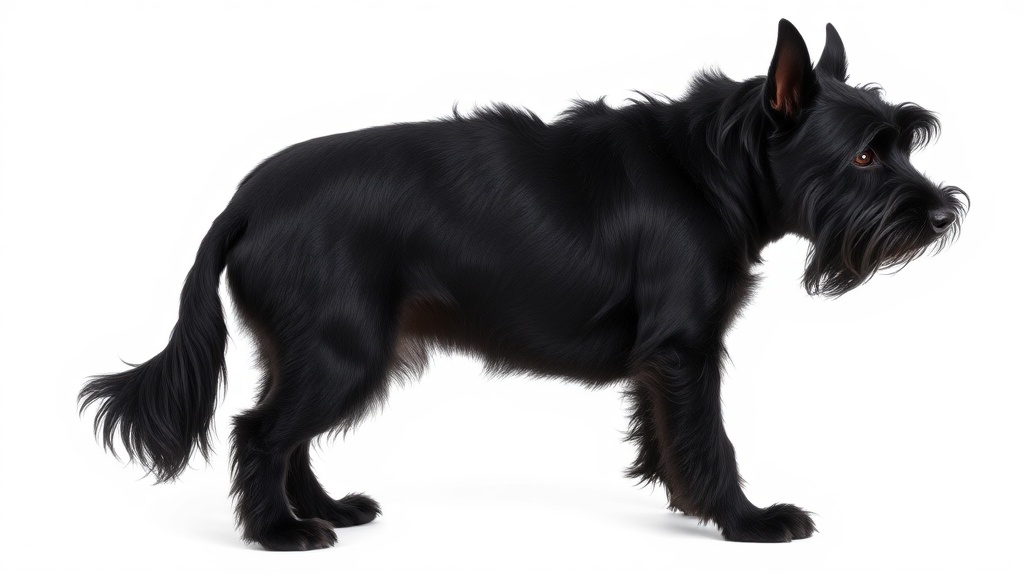
The Scottish Terrier, affectionately known as the Scottie, is a small but robust breed known for its distinctive beard and eyebrows. Often described as 'big dogs in small packages,' Scotties are fearless and confident, making them excellent companions for those who appreciate their spirited nature.
History & Origin
Originating from Scotland, the Scottish Terrier has a rich history dating back to the 19th century. Initially bred to hunt vermin, Scotties were prized for their tenacity and determination. They quickly gained popularity and have been beloved companions ever since.
Physical Characteristics
Scottish Terriers are compact and sturdy, with a strong build and a distinctive appearance. Weighing between 8 to 10 kg and standing 25 to 28 cm tall, they are easily recognizable by their wiry coat, erect ears, and bushy eyebrows.
Temperament & Personality
Scottish Terriers are known for their independent and bold nature. They are loyal to their families and have a keen sense of alertness. While they can be reserved with strangers, their love for family members is unwavering. Their courage often belies their small stature.
Care Requirements
Grooming
Scotties require regular grooming to maintain their wiry coat. Weekly brushing and periodic professional grooming are recommended to keep them looking their best.
Exercise
Despite their small size, Scottish Terriers need regular exercise. Daily walks and playtime in a secure area will help keep them physically and mentally stimulated.
Diet
A balanced diet tailored to their age, weight, and activity level is essential. High-quality dog food with appropriate portion control will ensure they remain healthy.
Training
Scotties can be independent thinkers, so consistent and positive reinforcement training is crucial. Early socialization will help them adapt to various environments and situations.
Health & Common Issues
Scottish Terriers are generally healthy, but they can be prone to specific health issues such as Scottie Cramp, Von Willebrand's Disease, and allergies. Regular veterinary check-ups are essential to monitor their health.
Training Tips
Training a Scottish Terrier requires patience and consistency. Use positive reinforcement methods and ensure training sessions are engaging and rewarding. Early socialization is key to preventing behavioral issues.
Is This Breed Right For You?
Scottish Terriers are ideal for individuals or families who appreciate a dog with a strong personality. They thrive in homes where they are part of the family and can be involved in daily activities. While they adapt well to apartment living, they require regular exercise and mental stimulation.
FAQ
Are Scottish Terriers good with children?
Scotties can be good with children, especially if raised with them. They are best suited for older children who understand how to interact with dogs.
Do Scottish Terriers shed a lot?
Scotties have a low to moderate shedding level, but regular grooming can help manage loose hair.
Are Scottish Terriers easy to train?
Scotties can be independent, which may present challenges in training. Consistency and patience are key.
How much exercise do Scottish Terriers need?
Despite their small size, they need regular exercise to stay healthy and happy. Daily walks and play sessions are recommended.
What is the lifespan of a Scottish Terrier?
Scottish Terriers typically live between 12 to 15 years with proper care and nutrition.