
Overview
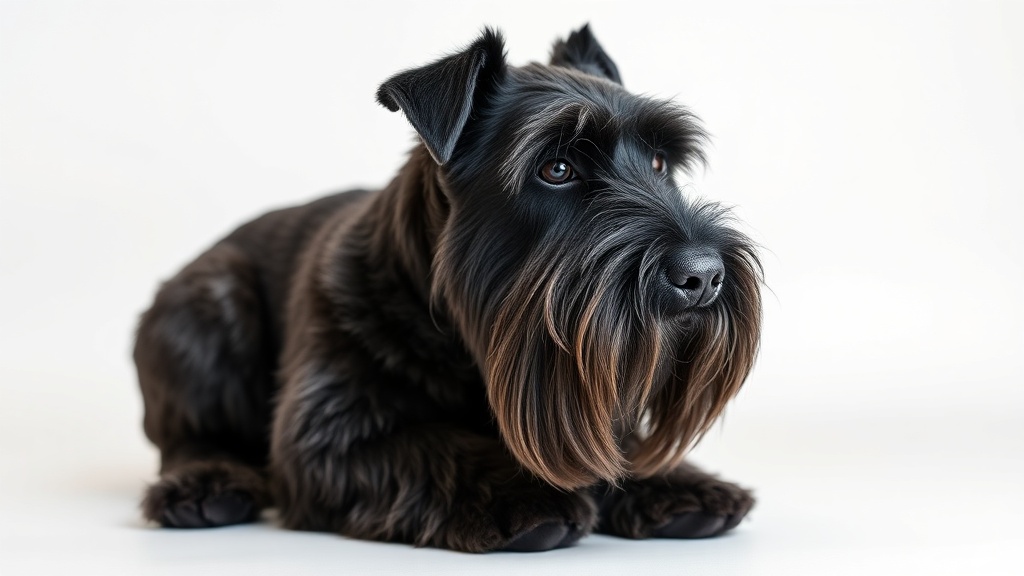
The Giant Schnauzer is a robust, intelligent breed known for its loyalty and protective nature. This breed is an excellent choice for active families looking for a devoted and energetic companion.
History & Origin
Originating in Germany, the Giant Schnauzer was developed in the 19th century to assist farmers by driving cattle and protecting property. They were later used in various roles, including as police dogs during World War I.
Physical Characteristics
Giant Schnauzers are muscular and powerfully built, with a distinctive beard and eyebrows that give them a unique expression. Their coat is dense and weather-resistant, usually black or pepper and salt in color.
Temperament & Personality
Giant Schnauzers are known for their intelligence and protective instincts. They are loyal to their families and can be wary of strangers, making them excellent guard dogs. Early socialization is crucial to ensure they develop a balanced temperament.
Care Requirements
Grooming
Giant Schnauzers require regular grooming to maintain their dense coat. Weekly brushing and periodic trimming are necessary to prevent matting.
Exercise
This breed needs at least 1-2 hours of vigorous exercise daily. Activities like running, hiking, or agility training are ideal.
Diet
A balanced diet rich in protein and healthy fats is essential. Consult your veterinarian for specific dietary recommendations based on your dog's age and activity level.
Training
Giant Schnauzers are highly trainable but require consistent, positive reinforcement methods. Early obedience training and socialization are crucial.
Health & Common Issues
Giant Schnauzers are generally healthy but can be prone to hip dysplasia, bloat, and certain eye conditions. Regular veterinary check-ups are essential.
Training Tips
Positive reinforcement and consistency are key when training a Giant Schnauzer. Engaging them in mentally stimulating activities can prevent boredom and destructive behavior.
Is This Breed Right For You?
Giant Schnauzers are best suited for active individuals or families who can provide them with ample exercise and mental stimulation. They thrive in environments where they have space to roam and a job to do.