
Overview
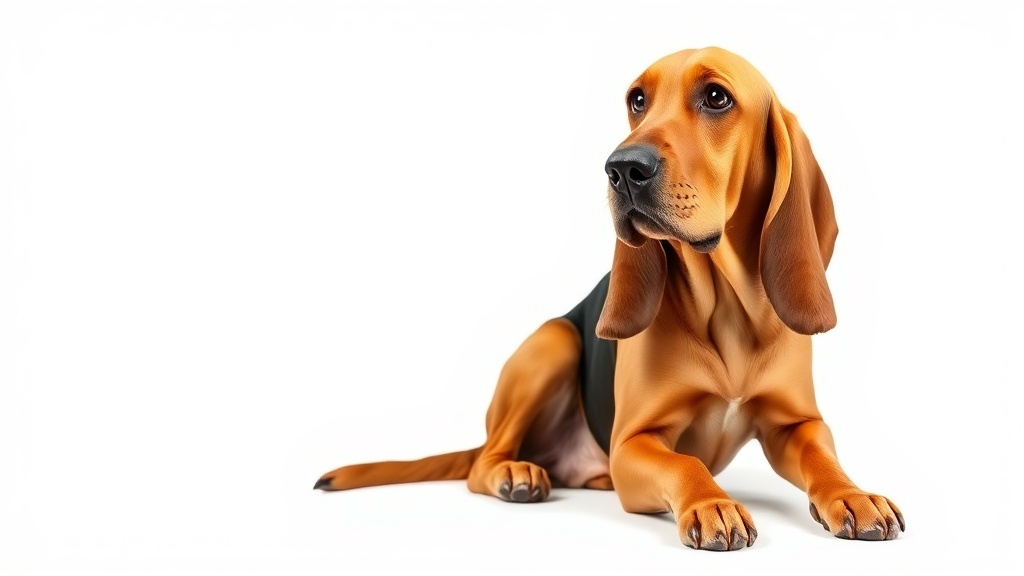
Bloodhounds are large scent hounds known for their incredible tracking abilities and gentle temperament. They are often used in search and rescue operations due to their keen sense of smell.
History & Origin
Originating in Belgium, the Bloodhound, also known as the St. Hubert Hound, has a history that dates back many centuries. They were initially bred for hunting deer and wild boar and were later used in law enforcement for tracking criminals.
Physical Characteristics
Bloodhounds are large dogs with loose skin and long, droopy ears. They weigh between 36 to 50 kg and stand 58 to 69 cm tall. Their distinctive features include a wrinkled face and deep-set eyes.
Temperament & Personality
Bloodhounds are known for being gentle and affectionate with their families. They are independent and can be stubborn, but their curiosity makes them great explorers. They are generally good with children and other pets.
Care Requirements
Grooming
Bloodhounds require regular grooming due to their loose skin and wrinkles, which need to be kept clean to prevent infections.
Exercise
They are energetic dogs requiring at least an hour of exercise daily. Their keen nose means they love exploring and following scents.
Diet
A balanced diet with high-quality dog food is essential. Monitor their food intake to prevent obesity, a common issue in the breed.
Training
Training a Bloodhound can be challenging due to their stubborn nature. Consistent, reward-based training methods work best.
Health & Common Issues
Bloodhounds are prone to certain health issues such as hip dysplasia, ear infections, and bloat. Regular veterinary check-ups are recommended to maintain their health.
Training Tips
Start training early, using positive reinforcement techniques. Socialization is crucial to prevent them from becoming shy or anxious.
Is This Breed Right For You?
Bloodhounds are great for active families who can provide ample exercise and mental stimulation. They are best suited for homes with a yard and are not ideal for apartment living.