
Overview
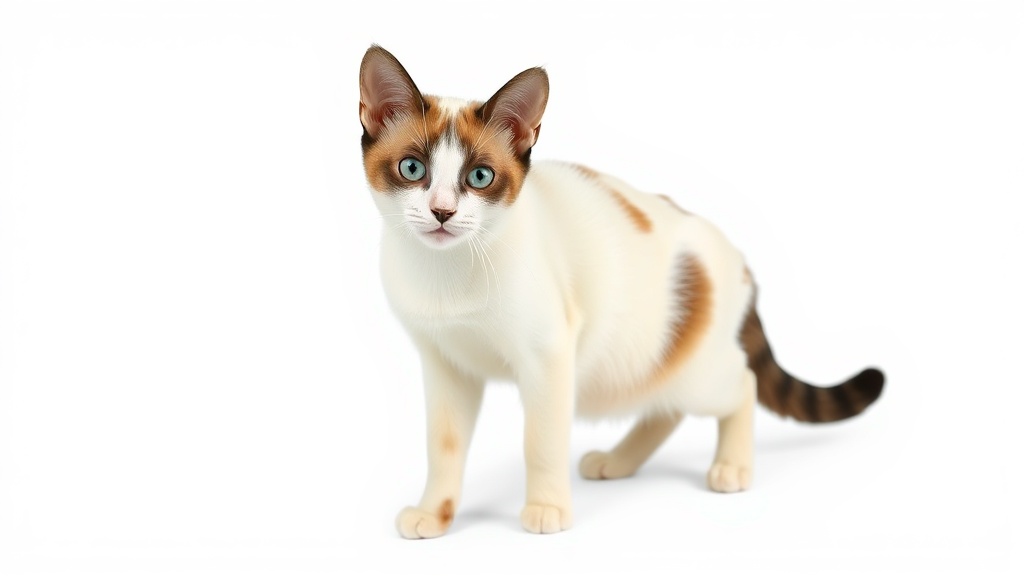
The Japanese Bobtail is a distinctive and charming breed known for its bobbed tail and lively personality. With a rich history and cultural significance in Japan, these cats are beloved for their friendly and playful nature.
History & Origin
The Japanese Bobtail has a storied history in Japan, where it has been depicted in art and folklore for centuries. It is believed to have originated over 1,000 years ago and has become a symbol of good luck in Japanese culture.
Physical Characteristics
Japanese Bobtails are medium-sized cats, weighing between 2.5 to 4.5 kg and standing 20 to 25 cm tall. They are best known for their unique bobbed tails, which are as individual as fingerprints. Their coats can be short or long and come in various colors and patterns, including the popular 'mi-ke' (three fur) variety.
Temperament & Personality
Known for their friendly and outgoing nature, Japanese Bobtails thrive on interaction with humans and other pets. They are intelligent and playful, often described as dog-like in their ability to learn tricks and games. Their affectionate nature makes them wonderful companions.
Care Requirements
Grooming
Japanese Bobtails are relatively low-maintenance when it comes to grooming. Weekly brushing is generally sufficient to keep their coat in good condition, though long-haired varieties may require more frequent attention.
Exercise
These cats are active and enjoy playtime. Providing interactive toys and engaging in regular play sessions will help satisfy their exercise needs.
Diet
A balanced diet rich in protein will support a Japanese Bobtail's energy levels and overall health. Consult with your veterinarian for specific dietary recommendations.
Training
Japanese Bobtails respond well to positive reinforcement and can be trained to perform various tricks and commands. Their intelligence and curiosity make training an enjoyable experience for both cat and owner.
Health & Common Issues
While generally healthy, Japanese Bobtails can be prone to certain genetic issues. Regular veterinary check-ups are essential to monitor their health. Common concerns include:
- Hip dysplasia
- Polycystic kidney disease
- Heart disease
Training Tips
Start training early and use positive reinforcement techniques such as treats and praise. Consistency is key to helping your Japanese Bobtail learn effectively.
Is This Breed Right For You?
If you are looking for an active, loving, and intelligent feline companion, the Japanese Bobtail may be the perfect choice. They are well-suited to families with children and other pets and can adapt well to apartment living.